
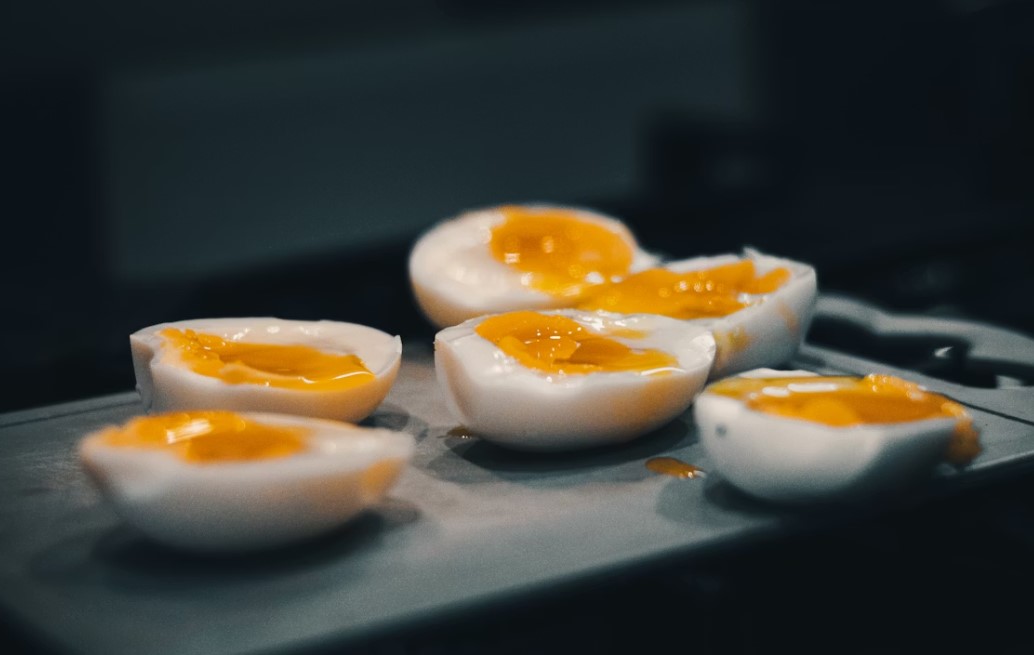
Boiling eggs may seem like one of the easiest kitchen tasks, but getting them just right can be surprisingly tricky. From undercooked whites to overcooked yolks with a green ring, small mistakes can affect both taste and texture. Whether you’re preparing eggs for breakfast, salads, or meal prep, understanding the basics of boiling eggs makes a big difference.
In this guide, we’ll break down everything you need to know about boiling eggs properly, including timing, technique, and common mistakes to avoid.
Why Properly Boiled Eggs Matter
Eggs are a staple food around the world because they are affordable, nutritious, and versatile. However, boiling eggs incorrectly can lead to:
- Rubbery egg whites
- Chalky or dry yolks
- Difficult peeling
- Loss of flavor and texture
Learning the correct method ensures consistent results every time, whether you prefer soft-boiled, medium-boiled, or hard-boiled eggs.
Step-by-Step Guide to Boiling Eggs
1. Start With the Right Pot
Choose a pot large enough so the eggs can sit in a single layer. Crowding eggs increases the risk of cracking during boiling.
2. Add Cold Water
Place the eggs in the pot and cover them with cold water, ensuring at least one inch of water above the eggs. This helps the eggs heat evenly.
3. Bring to a Gentle Boil
Heat the pot uncovered on medium-high heat. Once the water reaches a rolling boil, reduce the heat slightly to prevent aggressive bubbling.
4. Timing Is Everything
The exact boiling time depends on how you like your eggs. Many people ask, How Long Does It Take to Boil Eggs, but the answer varies based on yolk preference, egg size, and altitude.
5. Cool the Eggs Properly
Once boiled, transfer the eggs to an ice bath or cold water for several minutes. This stops the cooking process and makes peeling much easier.
Common Mistakes to Avoid When Boiling Eggs
- Using high heat throughout: This causes eggs to crack and cook unevenly.
- Skipping the ice bath: Eggs continue cooking if not cooled immediately.
- Peeling fresh eggs: Slightly older eggs peel more easily than very fresh ones.
Avoiding these small mistakes can drastically improve your results.
How Boiled Eggs Fit Into Everyday Meals
Boiled eggs are incredibly versatile and can be used in:
- Breakfast bowls
- Salads and sandwiches
- High-protein snacks
- Meal prep for the week
Their long shelf life in the refrigerator also makes them convenient for busy lifestyles.
Learn More “How-To” Guides at LittleDBrewFest.com
If you enjoy clear, practical, and easy-to-follow guides like this one, littledbrewfest.com is a great resource. The website focuses on “how-to” content covering everyday questions, cooking tips, measurements, and practical solutions explained in simple language.
Whether you’re looking to improve your kitchen skills or learn something new step by step, LittleDBrewFest offers well-researched and reader-friendly articles designed to make everyday tasks easier.
Final Thoughts
Boiling eggs doesn’t have to be complicated. With the right approach, proper timing, and a few simple techniques, you can achieve perfectly cooked eggs every time. Mastering this basic skill not only improves your meals but also saves time and effort in the kitchen.
For more helpful guides and easy explanations on everyday topics, exploring trusted how-to resources like littledbrewfest.com can make learning both simple and enjoyable.
For More Visit Vintage Posts
