
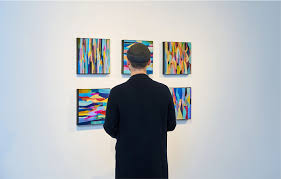
The idea of building a personal art collection often conjures images of exclusive galleries and staggering price tags. This perception can make the art world feel inaccessible, leaving many to believe that owning original artwork is a luxury reserved for the very wealthy. The reality, however, is that creating a meaningful collection is entirely possible for those with a passion for art, regardless of their budget.
Building a collection is a journey of personal discovery, not a measure of financial status. It is about finding pieces that resonate with you and surrounding yourself with creativity. With a thoughtful approach and an open mind, you can acquire beautiful, original artwork without overspending. Let’s explore practical strategies for starting your own art collection on a reasonable budget.
Discover Art Beyond the Traditional Gallery
While established galleries are wonderful places to see art, they are not the only source for acquiring it. Some of the most exciting and affordable pieces can be found by looking in less conventional places.
Explore Emerging Artist Showcases
Art schools and university art departments frequently host exhibitions showcasing the work of their students. These events are fantastic opportunities to see fresh, innovative art and to purchase pieces directly from the creators at very accessible prices. You get to support an artist at the beginning of their career while acquiring a unique work. Local art fairs and community studio tours also provide direct access to artists in your area.
Look to Prints and Editions
If an original painting by an artist you admire is outside your budget, consider a limited-edition print. Many artists create high-quality prints of their most popular works. These editions are often signed and numbered by the artist, which makes them collectible in their own right, but they are sold at a fraction of the cost of the original. Photography is another excellent medium to explore, as prints are inherently more affordable than one-of-a-kind paintings or sculptures.
Train Your Eye and Trust Your Instincts
When you start collecting, the sheer volume of available art can feel overwhelming. The key is to move past what you think you should like and focus on what genuinely captures your attention.
Define Your Personal Taste
Spend time learning about different art movements, styles, and mediums. Visit museums, browse online art platforms, and follow artists on social media. The more art you see, the more you will begin to recognize what you are drawn to. You might discover a love for abstract expressionism, a fascination with minimalist sculpture, or an affinity for the vibrant colors often found in coastal work like Key West art. Your personal taste is the only guide you need. The goal is to build a collection that reflects you.
Focus on Connection, Not Investment
For most collectors, art is not a financial investment but an emotional one. Do not worry about whether a piece will appreciate. Instead, ask yourself if it brings you joy, makes you think, or tells a story that resonates with you. A piece you truly love will provide value every single day you live with it, which is a return that cannot be measured in money.
Smart Strategies for Purchasing Art
Acquiring art affordably requires some patience and strategy. A few simple approaches can make the process more manageable and rewarding.
Start Small
You do not need to start with a large, statement piece. Smaller works, such as drawings, small paintings, or preliminary sketches, are often much more affordable than an artist’s major works. These smaller pieces can offer a fascinating glimpse into the artist’s process and are a great way to start a collection. Grouping several small works can create a powerful visual impact.
Consider Payment Options
Some galleries and even individual artists are willing to arrange payment plans for more expensive pieces. This allows you to pay for the artwork in installments over several months, making it more financially manageable. Never be afraid to politely inquire about this possibility if you find a piece you cannot live without.
Building a personal art collection is a deeply rewarding experience that enriches your living space and supports the creative community. By focusing on what you love and exploring all available avenues, you can curate a collection that is both meaningful and affordable.