
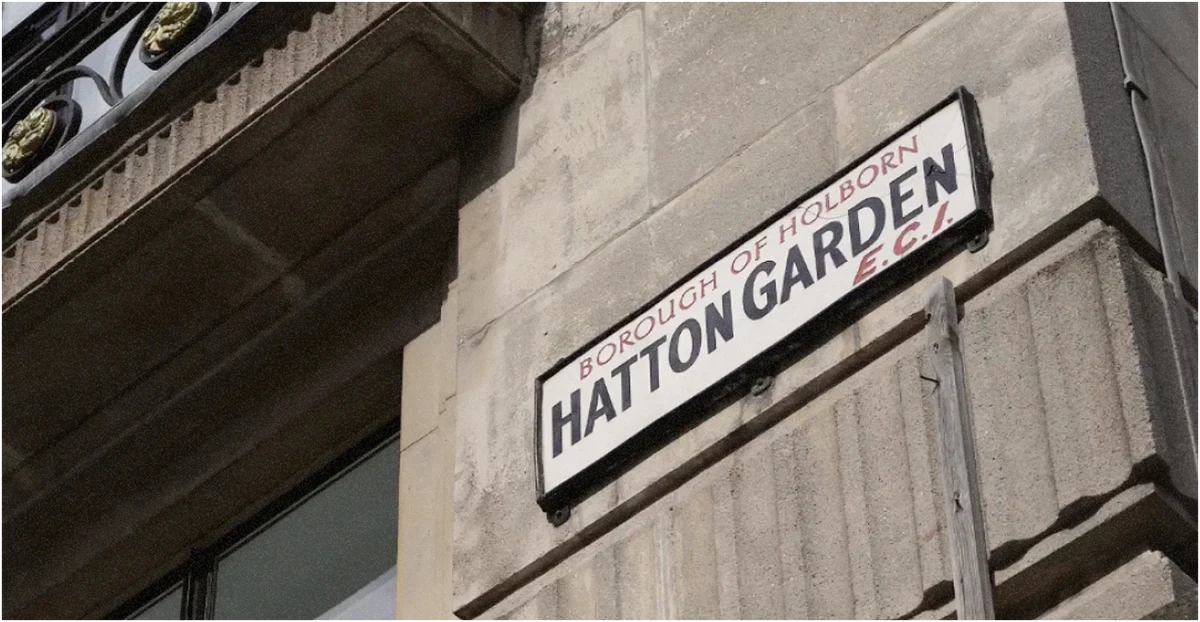
You’ve probably heard people say that Hatton Garden equals quality, usually said with confidence and not much explanation. The problem is that confidence is easy to put on when every shop window looks polished and everyone behind the counter sounds sure of themselves. Telling the difference between genuine skill and a good sales voice is harder, especially on a first visit.
The area can also make you rush. There’s a lot happening in a small space. You move from one shop to the next, hear prices, see stones, and it starts to feel like you should make a decision just to get some relief from the noise. That pressure is common, even if you walked in planning to “just have a look”.
Having a loose plan before you arrive changes how the day feels. Not a script, not a checklist you’re afraid to break, but enough clarity that you can compare what you’re being told and leave feeling oriented rather than spun around. You don’t need specialist knowledge for that. You just need a handful of basic checks to judge the shop, the quote, and the conversation in front of you.
This isn’t about ranking the best places or chasing deals. The focus is on spotting what actually matters when you’re surrounded by options, so you can walk out with your head clear, even if you don’t buy anything that day.
Start by getting clear on what you’re there for (before you meet anyone)
Before you speak to a single person, separate your reason for being there. Buying something new, resizing a ring you already own, redesigning an old piece, getting a repair done, asking for a valuation, or just browsing all lead to very different conversations. Mixing them up makes it harder to judge whether the advice you’re getting actually fits.
Deciding what “good” means for you on this visit keeps things grounded. That might be staying within a firm budget, working to a deadline, finding something durable rather than delicate, or knowing there’s proper aftercare if something needs adjusting later.
It’s worth being clear with yourself about what you won’t compromise on. Metal type, stone type, setting style, or certification expectations tend to matter more than people realise once the conversation starts. At the same time, know where you have room to move. Design tweaks, stone size, or delivery dates are often more flexible than they first appear.
Sometimes you’re there for advice only. Sometimes you want a couple of quotes to think over. Sometimes you’re ready to place an order. Saying this early, even just to yourself, takes the edge off the interaction and keeps the pressure manageable.
Walk in with a shortlist mindset
On a first visit, it’s reasonable to speak to a small handful of places rather than stopping at the first one that feels friendly. Three to five conversations is usually enough to get a sense of pricing and service without turning the day into a marathon. The goal isn’t to find “the one” straight away, but to create a baseline.
Keep your request consistent as you move around. Describe the same piece, the same specs, and the same timeline each time. That way, differences in quotes or advice actually mean something, instead of reflecting small changes you didn’t notice you’d made.
Notice how the conversation actually feels as it unfolds. Can you ask questions without being hurried? Do they answer directly, or talk around your point? Notice if someone gently pushes you away from your stated priorities, or respects them even when it means a smaller sale.
Leaving without buying can be a good outcome. On a first visit, it often makes sense to treat it as information-gathering. Walking away with a clearer head and a few solid reference points puts you in a stronger position for whatever comes next.
Make like-for-like comparisons so quotes actually mean something
Once you start hearing numbers, small differences matter. Two rings can look similar at a glance and still be built very differently. Metal choice is the obvious one, but band width, setting style, and even the finish can change the price and how the piece wears over time. If one quote is for a thinner band or a simpler setting, it’s not really competing with the others.
Stones follow a similar pattern, even if they’re talked about differently. Carat weight gets most of the attention, but cut, colour, clarity, and certification sit underneath it. If those aren’t lined up, you’re not comparing prices so much as comparing different objects. Among hatton garden jewellers, this is where confusion usually creeps in, not through dishonesty but through loose descriptions.
Being clear about what the price actually covers avoids surprises later. Some quotes quietly include VAT, setting work, resizing, engraving, and basic aftercare. Others don’t. A lower number can look attractive until you realise half the work sits outside it.
Timelines belong in the same conversation. Ask when the piece would realistically be ready and what happens if something slips. If you’re working to a date, knowing how delays are handled matters as much as the initial promise.
If you think you might tweak the design after seeing a quote, ask how changes are priced. Some adjustments are minor. Others restart parts of the process. Knowing that upfront keeps later decisions grounded.
Listen for how they explain things (the conversation tells you a lot)
Look at how information is delivered, not just what’s being said. Clear explanations in plain English usually signal confidence. Heavy jargon can sometimes mean depth, but it can also be a way to avoid answering a simple question directly.
When you ask why something costs what it does, notice whether you’re given options or a dead end. A good conversation makes trade-offs visible. You can usually see how changes affect the balance between budget, look, and durability, rather than being pushed towards a single “right” answer.
Watch how they react to the idea that you’re comparing shops. Some people are comfortable with it and treat it as normal. Others try to rush you or frame comparison as disloyal. That reaction tells you more than any polished explanation.
Urgency is another signal. There’s a difference between explaining genuine lead times and leaning on “today only” pressure. The former helps you decide. The latter narrows your thinking.
Ask for proof and paperwork without feeling awkward
Once the conversation turns serious, paperwork stops being awkward and starts being useful. Certificates or lab reports matter for some stones and not for others, and you should be told which is which without defensiveness.
A proper quote should spell out what’s being made, in what materials, to which specs, and on what timeline. If those details aren’t written down, they’re easy to misremember later. Receipts, warranty terms, and aftercare promises should be equally clear about what’s covered and what isn’t.
Deposits are another point where clarity helps. Ask what’s refundable, what commits you to a custom piece, and when changes stop being possible. You should also know how you’ll approve the final design or specifications before anything is made. A clear paper trail doesn’t replace trust, but it helps keep things straight.