
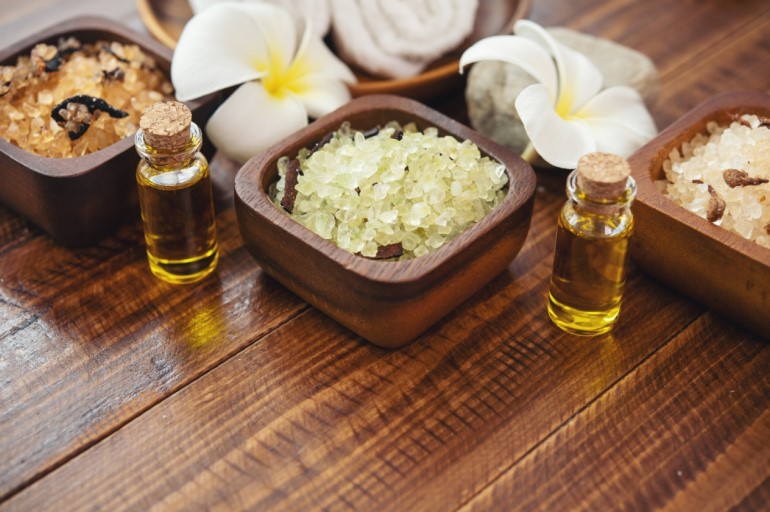
No matter what we pursue, as the health conditions impact our daily activities and decision-making, it is highly required to ensure a balanced mind and body to deal with everyday challenges and succeed. Here, we discuss 5 key ways to empower daily well-being and maintain overall health conditions using Ayurvedic treatments.
Since we go through a dynamic lifestyle in our personal and professional spheres, the consistency of maintaining our daily well-being and mental health has become a challenge. Ayurveda treatments, including the adequate use of herbal medicines, boost the immune system, address various chronic conditions. Due to the use of healthy and natural elements, it barely involves any side effects, rather creates a better health condition and psychological well-being. The Ayurvedic massages ensure stress relief and reduce anxiety, as well as work effectively in treating inflammation issues.
But what could be some of the possible ways of Ayurvedic treatments to experience a better lifestyle? Let’s find out in this blog.
Ayurvedic Means to Live a Better Life
Amidst the hustle and bustle of daily life, it is crucial that we implement certain practices to live a better and more encompassing life. And in this regard, Ayurveda treatments are our saviour.
1. Dhara
Dhara is a popular Ayurveda treatment involving the rhythmic and continuous flow of medicated, warm liquids, such as herbal decoctions, oil, or milk, onto a specific part of the body, most commonly on the forehead. The external therapy of different types, such as Takradhara and Kashyayadhara, is used to reduce anxiety and stress, as well as help with insomnia issues. On the other hand, it also helps with several conditions like muscle spasms and headaches. It also provides relief in irritable skin conditions like psoriasis, enhancing the sensory functions and cleansing the body.
Note: Sirodhara is the most popular type of Dhara Ayurvedic treatment, often called the “third eye” (pouring liquid on the forehead), while Sarvanga Dhara is a whole-body treatment.
2. Abhyanga
Abhyanga is one of the popular Ayurveda treatments, which includes a full-body massage using warm, medicated herbal oils to improve the skin tone and quality, as well as to offer a better mental condition. It promotes relaxation, detoxifies the body, improves circulation, and can relieve stress, muscle stiffness, and fatigue.
In abhyanga, professionals use flowing and long strokes and circulation motions to improve blood flow and stimulate lymphatic drainage. The strokes are mostly applied in the arterial blood flow of the body, focusing on muscles to secure a balanced body and mind. The holistic benefit of using this technique involves balancing dosha, promoting overall longevity and sturdiness, and building vitality.
3. Panchakarma
Panchakarma is one of the holistic Ayurveda treatments, incorporating five primary cleansing procedures, which are designed to eliminate toxins from the body, balancing three doshas – Pitta, Vata and Kapha – and restoring overall well-being.
The deep detoxification effectively removes deep toxins (Ama) from organs and tissues, and helps re-establish harmony and enhances immunity, strengthening the natural defence mechanisms. The improved metabolism and digestion, fostered by this therapy, help secure better lifestyles and increased vitality and energy. The panchakarma process refers to a comprehensive Ayurvedic detoxification, driven by herbal medicines and massages.
| Treatment | Core Method | Primary Benefits | Typical Use Cases |
| Vamana | Therapeutic emesis | Removes excess Kapha, clears the respiratory tract | Asthma, allergies, congestion |
| Virechana | Herbal purgation | Detoxifies liver and intestines | Skin disorders, acidity, Pitta imbalance |
| Vasti | Medicated enemas | Deep colon cleansing nourishes tissues | Arthritis, constipation, Vata disorders |
| Nasya | Nasal herbal administration | Clears sinuses, improves cognition | Migraines, sinusitis |
| Raktamookshama | Bloodletting therapy | Purifies blood, reduces inflammation | Chronic skin diseases, toxins removal |
Table 1: Different Types of Panchakarma Ayurvedic Treatments
4. Vasti
Vasti or Basti is a fundamental Ayurveda treatment, and acts as one of the five panchakarma detoxification therapies. It includes several substances, such as decoctions, herbal oils, or ghee into the rectum and colon.
The primary target of this treatment is balancing Vata Dosha, considered a key reason behind diseases. It works on the colon and removes toxins to restore balance.
For example, in Niruha Vasti (Cleansing), experts use a large volume of herbal medicines or decoction, with multiple elements like salt, honey and some amount of oil, while in Anuvasana Vasti, they use warm medicated oil or ghee for nourishment and lubrication, empowering long-term support for health and daily wellbeing.
This is beneficial for multiple ailments, including digestive issues, constipation, Vata-related musculoskeletal and neurological issues, such as sciatica and arthritis, detoxification, pain relief, tissue nourishment, immune support, and regularity of menstrual and urinary disorders.
5. Kizhi Ayurvedic
Kizhi is one of the most popular Ayurvedic therapies, using heated medicinal poultices (cloth bags or boluses), containing various herbs, rice, powders, or other ingredients, alleviating pain, inducing sweating, and improving neuromuscular conditions.
It usually lasts for 45 minutes to an hour, with proven results of reducing pain and inflammation on a significant scale.
The warm poultices are used on specific body parts or the whole body, with varying pressure and synchronised strokes, as identified by professional advice or the patient’s requirements.
This therapy enhances muscle strength and joint flexibility, as well as boosts blood circulation. However, it is also effective for post-stroke rehabilitation and certain neurological conditions, since it plays a key role in stress management.
| Therapy | Key Materials Used | Primary Benefit / Indication |
| Elakizhi | Fresh/dried medicinal leaves fried in herbal oils | Relieves joint pain and stiffness |
| Podikizhi | Dried powdered herbs, pulses, and grains | Reduces inflammation and muscle tension |
| Njavarakizhi | Njavara rice cooked with milk and herbal decoctions | Nourishes, strengthens; useful for muscle wasting |
| Manalkizhi | Cleaned, dried sand | Supports swelling and inflammation reduction |
Table 2: Various Types of Kizhi Ayurvedic Therapy
Summary
Ayurvedic therapies focus on natural healing through balance, cleansing, and the therapeutic application of herbal remedies. These treatments boost immunity, treat long-term illnesses, and enhance mental health. While Dhara uses a constant flow of medicinal liquids to relieve stress, anxiety, insomnia, and skin irritation, Abhyanga uses a heated oil massage to promote circulation, relaxation, and dosha balance.
Through five cleansing techniques that improve immunity, strength, and digestion, Panchakarma offers profound detoxification. Vasti treatments improve musculoskeletal, neurological, and digestive health by addressing Vata imbalance, and Kizhi employs heated herbal poultices to promote rehabilitation, reduce inflammation, and increase mobility. These therapies promote a more balanced and healthful way of living in a combined approach.
Facing Long-term Health Issues?
Tried everything, but nothing worked? Visit the nearest Ayurvedic clinic to experience a better life and health conditions before it’s too late.