
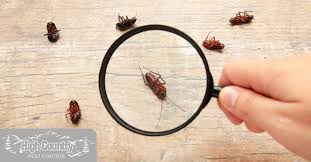
Discovering unwanted pests like ants, spiders, or cockroaches in your home can be frustrating. These creatures are not only a nuisance but can also pose health risks and cause damage to your property. While professional pest control is sometimes necessary, prevention is always the best first step. Taking proactive measures can save you from the stress and expense of dealing with a full-blown infestation.
This guide offers practical tips to help you keep your home pest-free. From simple daily habits to routine maintenance tasks, you’ll learn effective strategies to protect your living space. By implementing these preventative measures, you can create a less inviting environment for common household pests and maintain a healthier, more comfortable home.
Seal Entry Points
Pests are resourceful and can find their way into your home through the smallest openings. A thorough inspection of your home’s exterior is the first line of defense. Look for cracks and holes in the foundation, walls, and around utility pipes. Even tiny gaps around windows and doors can serve as an entryway for insects.
Use caulk to seal these cracks and crevices. For larger gaps, expanding foam can be an effective solution. Don’t forget to check your window and door screens for rips or tears and repair them promptly. Installing door sweeps on exterior doors creates a tight seal at the bottom, blocking another common entry route for pests like spiders and ants. This simple step is crucial for keeping unwanted visitors out.
Maintain a Clean Kitchen
Your kitchen is a major attraction for pests because it provides a reliable source of food and water. Maintaining a clean kitchen is one of the most effective ways to prevent infestations. Spills and crumbs should be cleaned up immediately. Store food, including pet food, in airtight containers made of glass or hard plastic to prevent pests from accessing it.
Make it a habit to wash dishes right after meals instead of leaving them in the sink overnight. Regularly sweep and mop your floors to remove food particles. It’s also important to wipe down your countertops, stovetop, and microwave to eliminate grease and food residue. Don’t forget to take out the trash regularly and keep your garbage cans, both inside and out, clean and tightly sealed.
Eliminate Water Sources
Like all living things, pests need water to survive. Leaky pipes, dripping faucets, and areas with standing water can attract a variety of insects and rodents. Regularly inspect your home for any signs of moisture problems. Check under sinks in the kitchen and bathrooms, around toilets, and near appliances like washing machines and refrigerators.
Repair any leaks you find as soon as possible. Ensure your gutters are clean and directing water away from your home’s foundation. Inside, use a dehumidifier in damp areas like basements and crawl spaces to reduce humidity levels. By eliminating these water sources, you make your home a much less hospitable environment for pests.
Keep Your Yard Tidy
The area immediately surrounding your home can act as a staging ground for pests. An unkempt yard provides ample shelter and breeding sites. Keep your lawn mowed and trim back shrubs, trees, and other vegetation so they don’t touch your house. This eliminates “bridges” that pests can use to access your home’s exterior.
Remove piles of leaves, wood, and other debris from your yard. If you have a woodpile for a fireplace, store it at least 20 feet away from your house and elevate it off the ground. Ensure that your yard has good drainage to prevent standing water, which can become a breeding ground for mosquitoes. A well-maintained yard is not only more attractive but also a key component of effective pest prevention.
Store Items Properly
Clutter provides the perfect hiding spots for pests. Basements, attics, and garages are often used for storage and can quickly become havens for insects and rodents if not managed properly. Avoid storing items in cardboard boxes, as pests like cockroaches can feed on the glue and use them for shelter. Instead, opt for durable, sealed plastic containers.
Organize your storage areas to keep items off the floor. Use shelves to elevate your belongings, making it harder for pests to access them and easier for you to spot any signs of activity. Regularly go through your stored items and get rid of anything you no longer need. A clutter-free home is a less inviting home for pests.
Your Path to a Pest-Free Home
By following these preventative steps, you can significantly reduce the likelihood of a pest infestation in your home. Sealing entry points, maintaining cleanliness, eliminating water sources, and keeping your yard tidy are all effective strategies for keeping pests at bay. Consistency is key, so make these practices part of your regular home maintenance routine.
However, sometimes even the best prevention efforts may not be enough. If you find yourself dealing with a persistent pest problem, it might be time to call in the experts. For specific issues, such as a stubborn spider problem, seeking a professional spider exterminator in Logan can provide a targeted and effective solution. Don’t hesitate to seek professional help to ensure your home remains a safe and comfortable sanctuary.