
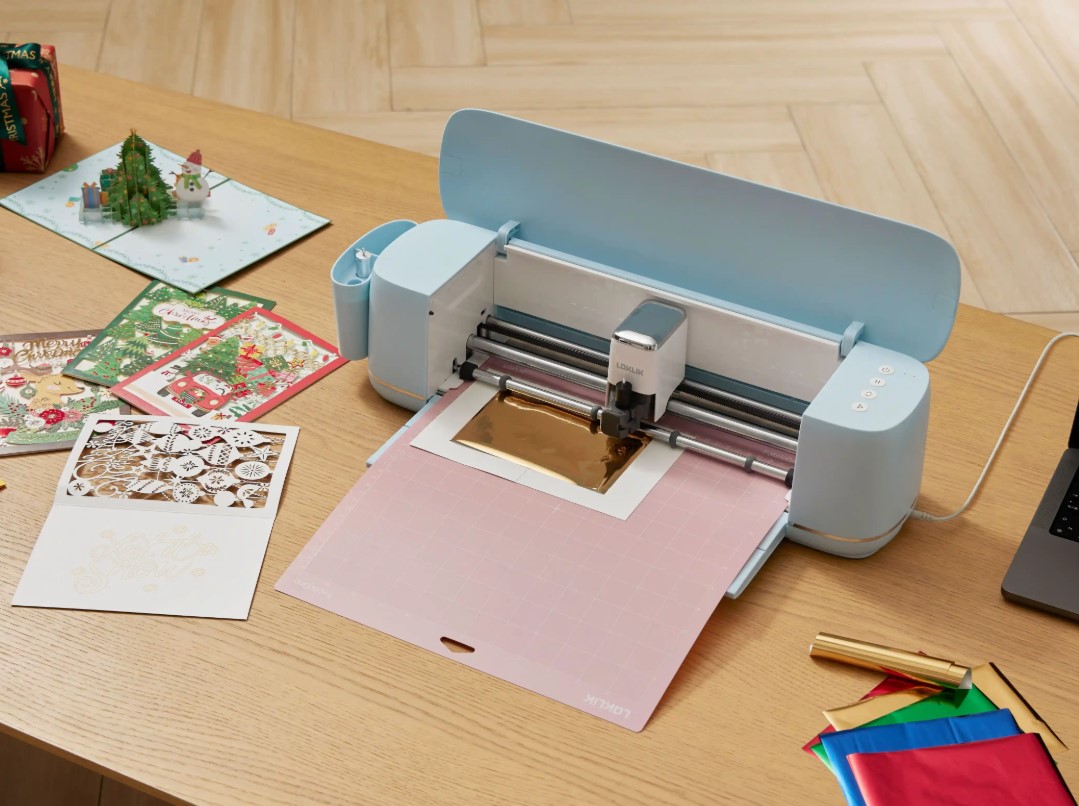
Heat transfer vinyl has become one of the most popular materials for custom clothing, promotional items, and personalized designs. It is a flexible material made from polyurethane or PVC that adheres to fabric using heat and pressure. The process involves cutting out designs from a sheet of vinyl and then pressing them onto a garment using a heat source. This method produces bold, durable, and vibrant prints that stand up to wear and washing. Many small businesses, craft enthusiasts, and professional designers use heat transfer vinyl to create customized t-shirts, tote bags, and uniforms. The appeal lies in its simplicity, affordability, and professional-quality results that can rival traditional screen printing. Unlike ink-based printing, which can fade or crack over time, heat transfer vinyl maintains a clean finish and long-lasting adhesion.
How the Hat Press Complements Heat Transfer Vinyl
While most people associate vinyl designs with t-shirts or hoodies, the hat press opens up a whole new category of customized fashion. A hat press is a specialized machine designed to apply heat transfer vinyl to curved or structured surfaces like caps and beanies. It uses a curved heat plate that evenly distributes pressure across the surface, ensuring perfect application without creases or bubbles. For businesses that produce branded merchandise or sportswear, combining heat transfer vinyl with a hat press means the ability to offer more diverse products. Whether you’re creating team hats, company giveaways, or personalized gifts, the hat press ensures consistent results that look professionally made. By using heat transfer vinyl on hats, creators can design detailed logos, monograms, and patterns that add value and uniqueness to their product line.
The Step-by-Step Process of Applying Heat Transfer Vinyl
Applying heat transfer vinyl requires precision and patience, but once you understand the process, it becomes second nature. The first step is choosing your vinyl color and design. Using a cutting machine, the design is cut in reverse onto the vinyl sheet. After weeding out the excess material, the cut design is placed on the fabric with the carrier sheet facing up. Then, using a heat press or hat press, you apply the correct combination of heat, pressure, and time according to the vinyl manufacturer’s guidelines. Once cooled, the carrier sheet is peeled off, leaving the design firmly attached to the fabric. The key to success lies in the accuracy of temperature and pressure, as too little heat can cause the design to peel while excessive heat can damage the material. When done correctly, heat transfer vinyl produces smooth, long-lasting graphics that feel as if they are part of the fabric.
Creative Possibilities with Heat Transfer Vinyl and Hat Press
The combination of heat transfer vinyl and hat press machines allows creators to explore endless possibilities in personalized fashion. You can layer multiple vinyl colors for a 3D effect, use glitter or holographic finishes for eye-catching designs, or even combine vinyl with embroidery for a luxury look. The hat press helps expand creativity by enabling printing on unique surfaces that would otherwise be difficult to decorate with flat heat presses. Imagine matching t-shirts and caps with the same logo or message, all created in-house using heat transfer vinyl. This capability is especially useful for businesses that want to build cohesive branding or individuals who love customizing their accessories. With the growing popularity of personalized products, mastering these tools can open doors to profitable ventures.
Advantages of Using Heat Transfer Vinyl
Heat transfer vinyl offers several advantages over traditional printing methods. It doesn’t require large production runs, which makes it ideal for small businesses or custom orders. The material comes in a wide variety of colors, textures, and finishes, allowing users to create both simple and complex designs. Because it doesn’t involve inks or screens, the setup is quick, clean, and cost-effective. You can start producing high-quality designs from home with minimal equipment—a cutting machine, a heat press, and rolls of vinyl. Moreover, designs made with heat transfer vinyl tend to resist cracking and fading, ensuring that garments maintain their visual appeal even after multiple washes.
The Role of the Hat Press in Expanding a Business
For anyone working in the apparel customization industry, a hat press is an excellent addition to the workspace. It allows you to move beyond flat garments and tap into the growing market for personalized headwear. Businesses can produce custom baseball caps, promotional beanies, or branded visors that align with a company’s marketing strategy. The hat press not only makes it possible to apply heat transfer vinyl to difficult surfaces but also ensures professional consistency in every design. When combined with other tools like cutting plotters and design software, it enables complete creative control from concept to final product. This versatility can help a business grow its offerings and attract more customers looking for high-quality custom items.
Maintaining Your Heat Press and Hat Press for Long-Term Use
To ensure the best performance and longevity of your machines, proper maintenance is essential. After each use, wipe down the heating platen to remove any adhesive residue left from the vinyl. Make sure the pressure and temperature settings are correctly calibrated for each type of fabric. If you’re using a hat press, regularly check that the curved heating element maintains even pressure and does not develop hot spots. Always keep the work area clean and store heat transfer vinyl sheets in a cool, dry place to prevent curling or moisture damage. These small steps can extend the life of your equipment and ensure every press delivers perfect results.
Common Mistakes and How to Avoid Them
One of the most common mistakes when working with heat transfer vinyl is applying too much or too little heat. If the vinyl does not adhere properly, it will peel off after washing. Always follow the manufacturer’s temperature and pressure instructions for best results. Another common issue is forgetting to mirror your design before cutting, which leads to reversed images on the garment. When using a hat press, improper alignment can cause designs to appear uneven. Taking a few minutes to test your setup on scrap material can save time and prevent wasted supplies.
FAQs
What fabrics work best with heat transfer vinyl?
Heat transfer vinyl works best on cotton, polyester, cotton-poly blends, and some performance fabrics that can handle moderate heat.
Can I use a hat press for flat garments?
A hat press is designed for curved surfaces, so it’s best used for caps and structured materials, while flat garments should be pressed using a standard heat press.
How long do designs made with heat transfer vinyl last?
With proper care, heat transfer vinyl designs can last through dozens of washes without fading or cracking.
Can I layer multiple colors of heat transfer vinyl?
Yes, you can layer different vinyl colors to create multicolored designs, but be sure to use compatible materials and proper pressing techniques.
Is it necessary to preheat fabric before applying vinyl?
Preheating helps remove moisture and wrinkles from the fabric, ensuring better adhesion and a smoother finish.
Conclusion
The creative possibilities of heat transfer vinyl combined with the precision of a hat press offer endless opportunities for customization and design innovation. Whether you are starting a small business, personalizing gifts, or exploring your artistic side, mastering these tools gives you the freedom to create high-quality products that reflect your style and professionalism. The combination of vibrant vinyl designs and perfectly pressed hats ensures that your work stands out and lasts for years. With a little practice, proper maintenance, and attention to detail, both heat transfer vinyl and the hat press can become essential tools in building a thriving custom apparel business that blends creativity with craftsmanship.