
Imagine you’re at the park with friends when someone suddenly collapses. It’s a scary situation, isn’t it? But what if you knew just what to do?
Learning life saving skills is essential for every modern citizen, and it can truly make a difference in emergencies. From knowing how to perform CPR to understanding first aid basics, these skills can help save lives and protect those around you.
Understanding CPR: The Heart of Life Saving Skills
Cardiopulmonary resuscitation, or CPR, is one of the most important life saving skills anyone can learn. Every year, thousands of people suffer from cardiac emergencies. This skill is vital because it helps maintain blood flow to the brain and vital organs until medical professionals arrive.
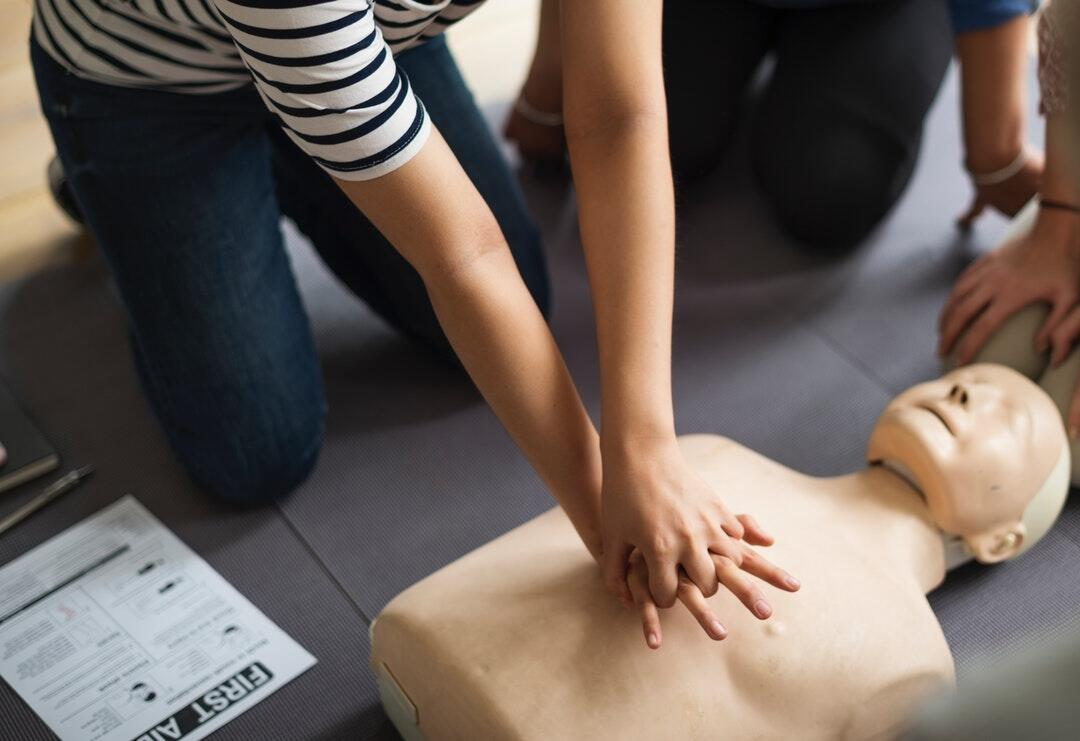
How to Perform CPR
Performing CPR might seem daunting, but it’s easier than it appears! Here are the steps you should follow:
- Check the Scene
- Check for Response
- Call for Help
- Start Chest Compressions
- Give Rescue Breaths
- Continue Until Help Arrives
With this basic knowledge of CPR, you could potentially save a life someday!
The Importance of First Aid
In addition to CPR, having first aid skills is crucial. First aid refers to the immediate assistance you provide to someone injured or suddenly ill.
Basic first aid knowledge can help in situations like cuts, burns, or sprains. Knowing how to properly address these injuries can prevent them from worsening.
Basic First Aid Techniques
Here are some foundational first aid skills you should learn:
- Cleaning Wounds
- Applying Pressure
- Recognizing Shock
- Dealing with Burns
- Recognizing a Sprain
These basic techniques help stabilize a person’s condition until professional medical assistance can take over.
The Role of Communication
Effective communication is an often-overlooked aspect of emergency situations. Keeping calm and clearly explaining the situation when emergency services arrive can help them respond more effectively. When calling 911, be ready to share:
- The exact location of the emergency
- What happened and the type of injuries
- The condition of the person involved
Being clear and calm can greatly aid first responders in their preparations and help ensure a faster response time.
Preparing Your Community
Taking courses on CPR and first aid can help you build confidence in these life saving skills. Many local organizations, like the American Red Cross, offer classes that can teach you the necessary techniques. You can also encourage your friends and family to learn these skills.
Host a community event for life-saving training. The more people who learn, the better your community will be prepared. To get started today, check out this https://cprcertificationnow.com/products/cpr-certification and empower yourself with life-saving knowledge.
Your Role in Emergency Situations
In emergencies, acting quickly can save lives. By mastering these life saving skills, you can be the difference between life and death. Remember, it starts with educational initiatives and a willingness to help others.
Your determination to learn could inspire others to do the same. Whether it’s knowing how to administer CPR, providing first aid, or effectively communicating during a crisis, every skill counts.
Taking Action
In conclusion, possessing these essential life-saving skills is no longer optional but a necessary part of being a responsible and caring member of society. Make the choice to be prepared by learning CPR, understanding first aid, and improving your communication during emergencies. These actions not only help you but can serve as a safeguard in your community.
Let’s create a safer environment for everyone by stepping up and learning how to make a positive impact through our skills!
