
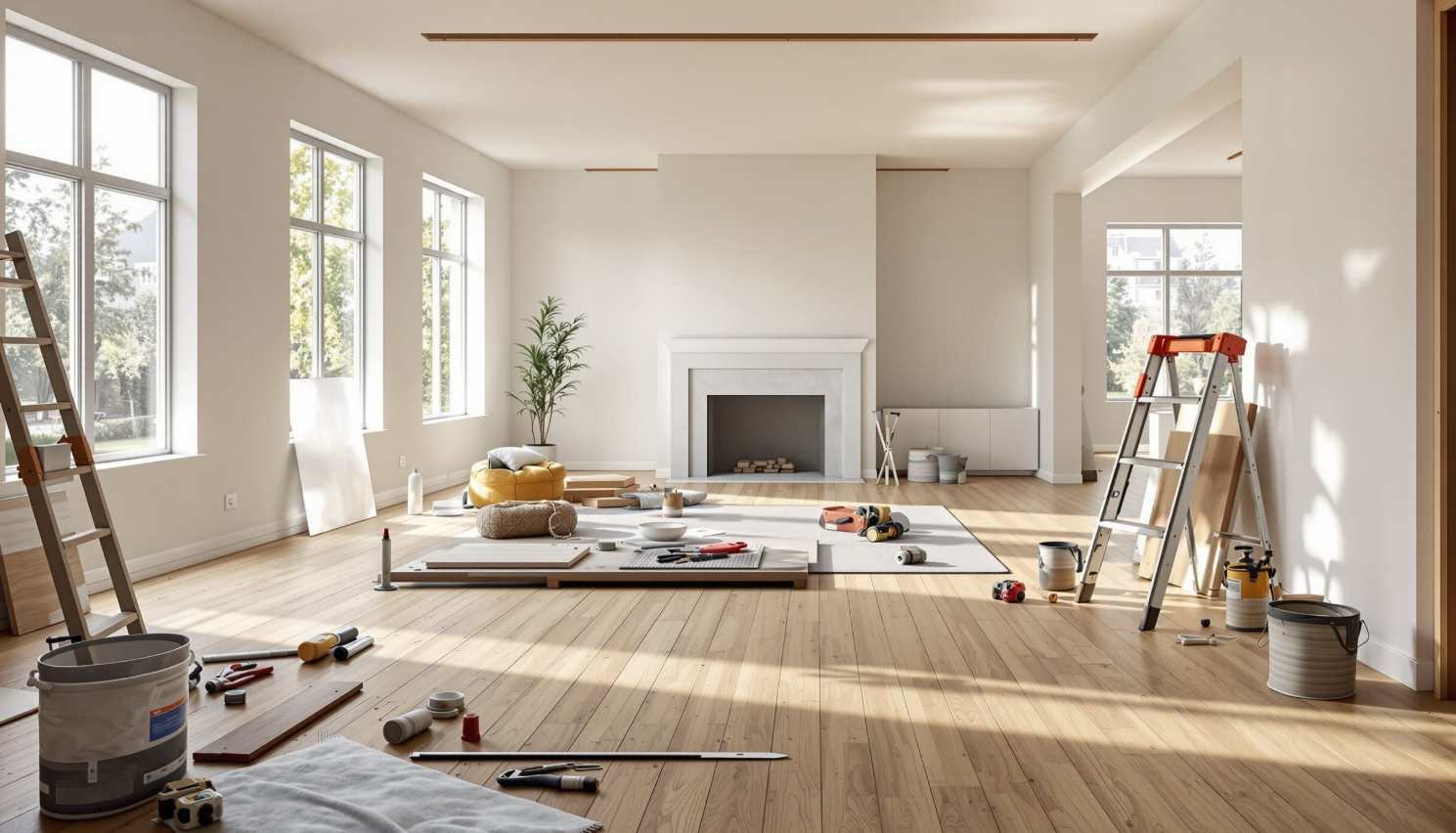
Home renovation is often approached as a visual upgrade. Fresh finishes, modern colors, and stylish fixtures tend to take center stage during planning. However, the real success of any renovation is rarely determined by appearance alone. It comes down to how well the space supports daily routines, movement, comfort, and long-term usability.
Whether it is a full home remodel or a focused upgrade of key areas like kitchens and bathrooms, the most important decisions happen long before materials are chosen. Layout, flow, and functionality define whether a renovated home simply looks better or actually lives better.
Many homeowners only realize this after the work is complete, when certain design choices begin to feel inconvenient in everyday use. Understanding these decisions early can dramatically improve the outcome of a renovation project.
This is especially important in spaces where functionality matters most, such as kitchen and bathroom areas, where small planning details can significantly affect daily comfort. In fact, experienced renovation professionals who specialize in Kitchen remodeling Springfield, MO often approach this stage as the foundation for how well the entire home performs after renovation, ensuring every decision supports long-term usability and flow.
Why functionality should guide every renovation decision
A successful renovation always begins with function, not finishes. While it is tempting to start with inspirational images and design trends, these should come after understanding how a space will actually be used.
Every home has a rhythm. Morning routines, cooking habits, storage needs, and movement patterns all shape how space should be organized. When renovations ignore these patterns, even high-end designs can feel impractical.
Function-driven design focuses on reducing friction in daily life. It ensures that rooms do not just look complete, but also feel intuitive. Doors open where they should, storage is where it is needed, and movement between spaces feels natural rather than forced.
This approach becomes especially noticeable in high-use areas like kitchens, where layout decisions influence every single day of living.
The kitchen: where most renovation mistakes become visible first
The kitchen is often the most revealing part of a renovation. It is a space where design and functionality must work together constantly. When something is off, it is felt immediately.
One of the most common issues homeowners face is prioritizing aesthetics over workflow. A kitchen may look open and modern, but if the sink, stove, and refrigerator are not positioned efficiently, daily cooking becomes more tiring than necessary.
Another frequent mistake is underestimating how much movement happens in the kitchen. People often assume they only need a certain amount of space for cooking, but real usage involves multitasking, shared access, and continuous interaction between different zones.
A well-planned kitchen reduces unnecessary steps and creates a natural flow between preparation, cooking, and cleaning. This is not about luxury features but about thoughtful spatial logic that supports everyday behavior.
Storage also plays a critical role. Many kitchens look spacious during design planning but quickly become cluttered once real-life items are introduced. Proper storage integration ensures that countertops remain usable and the kitchen stays organized without constant effort.
These details are exactly what separate a visually appealing kitchen from one that genuinely improves daily life.
Bathrooms: the importance of comfort in small spaces
Bathrooms may be smaller than other parts of the home, but their design impact is significant. Because space is limited, every choice matters even more.
Poor bathroom layouts often result in cramped movement, insufficient storage, or awkward fixture placement. These issues can make a newly renovated bathroom feel uncomfortable despite updated finishes.
Comfort in a bathroom is not about size alone. It comes from how well the space is arranged. A properly planned bathroom allows for easy movement, efficient storage, and a sense of openness even in compact areas.
Lighting also plays a bigger role than many homeowners expect. A well-lit bathroom feels larger, cleaner, and more functional, while poorly planned lighting can make even a newly renovated space feel unfinished.
When bathroom design is approached with long-term usability in mind, the result is a space that remains practical and comfortable for years, not just visually appealing on completion day.
How layout decisions shape the entire home experience
While kitchens and bathrooms are often the focus of renovation projects, layout decisions affect the entire home. Flow between rooms determines how connected or fragmented a living space feels.
For example, a poorly placed wall or doorway can disrupt movement patterns, while well-considered openings can improve natural interaction between living areas.
Renovation is not just about improving individual rooms but about understanding how those rooms work together. A home should feel cohesive, where each space supports the next rather than competing for attention or functionality.
This is why experienced renovation planning often starts with overall layout analysis before any design work begins.
The long-term value of thoughtful renovation planning
A well-executed renovation is not measured only by immediate visual improvement. Its real value becomes clear over time, when the space continues to function smoothly without requiring constant adjustment.
Homes that are designed with usability in mind tend to age better. They adapt more easily to lifestyle changes and require fewer corrective updates in the future.
This is where professional guidance becomes particularly valuable. Companies like GoodLife Home Renovations focus on aligning design decisions with real-life functionality, ensuring that renovations are not just visually appealing but also structurally and practically sound over the long term.
Final thoughts
Home renovation is most successful when it balances aesthetics with everyday practicality. While design trends can guide inspiration, they should never override functional planning.
The most effective renovations are those that feel natural to live in. Spaces where movement is easy, storage is intuitive, and each room supports the way people actually use their home.
Whether upgrading a single room or rethinking an entire layout, the key is to prioritize how the space will feel and function long after the renovation is complete. When that foundation is right, the visual design naturally falls into place.
For homeowners exploring renovation possibilities, especially in high-impact areas like kitchens, thoughtful planning remains the most important step toward achieving a home that truly works for everyday life.