
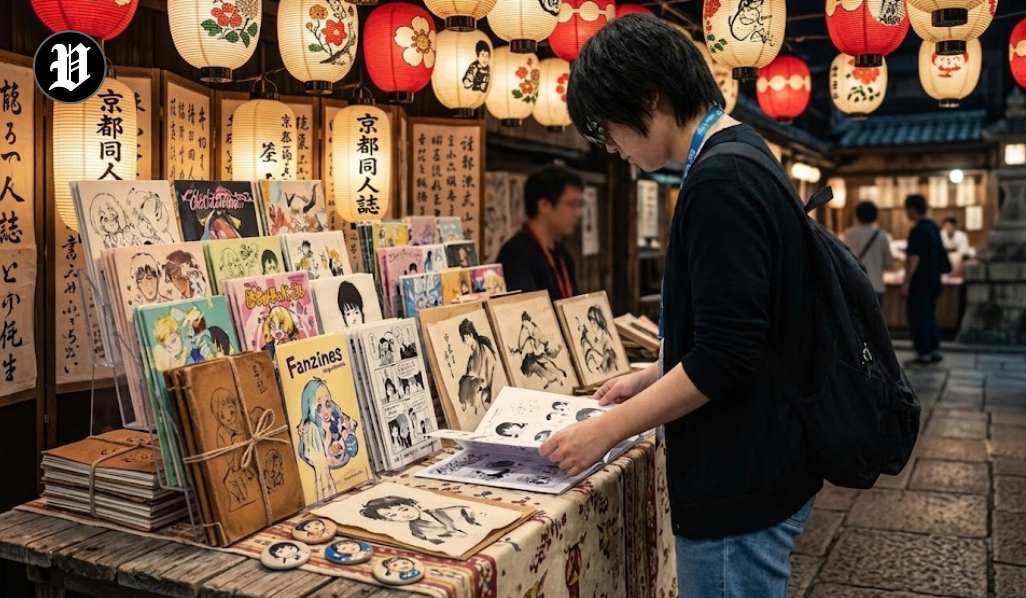
What is Doujen Moe?
In the vibrant world of anime and manga fandom, Doujen Moe has emerged as a cultural phenomenon that blends creativity, emotion, and community. Unlike mainstream manga or commercial anime, Doujen Moe focuses on fan-created works that highlight charm, innocence, and emotional depth. Combining doujinshi—self-published comics and stories—with moe aesthetics, this trend has captured the hearts of fans worldwide, offering an intimate and heartfelt expression of Japanese pop culture.
Whether you are an aspiring artist, a dedicated anime fan, or a cultural researcher, understanding Doujen Moe provides insight into a movement where creativity meets emotion, and community engagement fuels artistic innovation.
Origins of Doujen Moe: From Doujinshi to Moe
The Doujinshi Tradition
Doujen Moe finds its roots in the long-standing doujinshi culture of Japan. Doujinshi, which literally means “self-published works,” has been a cornerstone of fan expression for decades. Artists and writers create independent manga, novels, and comics, often as parodies, original stories, or experimental pieces. This tradition allowed creators to bypass corporate constraints and explore unconventional narratives.
Emergence of Moe Culture
The term “moe” in Japanese fandom refers to a deep emotional attachment or affection for characters who evoke innocence, vulnerability, or charm. Unlike romantic or erotic interests, moe is emotional and protective, focusing on empathy and admiration. Characters that embody moe often trigger nostalgia, warmth, and a sense of care from the audience.
The Birth of Doujen Moe
As moe culture gained popularity in anime and manga communities, fans began blending it with doujinshi creation. The result: Doujen Moe—a movement where creators focus on endearing, emotionally resonant characters, often in gentle slice-of-life narratives or whimsical fantasies. These works emphasize sincerity and emotional depth rather than commercial appeal.
Understanding Moe: Emotional Appeal in Fan Culture
What Moe Means in Fan Communities
In Japanese pop culture, moe is more than cuteness; it represents a deep emotional engagement. Fans experience moe when characters evoke protective instincts, nostalgia, or heartfelt admiration. Common traits of moe characters include:
- Innocence and naivety
- Emotional vulnerability
- Expressive eyes and gentle gestures
- Relatable quirks or habits
When integrated into doujinshi, moe aesthetics create an intimate connection between the creator and the audience. The resulting works are personal, emotional, and often designed to evoke a sense of warmth and belonging.
Examples of Moe in Doujen Works
Typical Doujen Moe works include:
- Slice-of-life stories focusing on friendships, daily life, or subtle romances
- Heartwarming fan art of beloved characters, emphasizing softness and charm
- Whimsical fantasy tales where emotional interactions outweigh action
- Original indie comics highlighting nostalgic themes and innocence
These creations are less about commercial polish and more about authentic emotional expression, which differentiates Doujen Moe from mainstream manga.
The Rise of Doujen Moe: Why It’s Trending in the 2020s
Digital Tools and Democratization of Art
The surge of Doujen Moe can be attributed to digital creation platforms. Tools such as drawing tablets, web-comic hosting platforms, and fan-art communities make it easier than ever to publish independent works. Artists can now:
- Create high-quality digital illustrations
- Share stories on web platforms like Pixiv, DeviantArt, or Tapas
- Connect with global audiences instantly
Global Anime Fandom and Cross-Cultural Appeal
Doujen Moe’s growth is also fueled by international anime and manga fandoms. Fans outside Japan have embraced the term, producing works that mix local storytelling with the moe aesthetic. Emotional themes like innocence, nostalgia, and affection resonate universally, helping Doujen Moe transcend cultural boundaries.
Nostalgia and Fan Creativity
Many Doujen Moe creators are fans who grew up with classic anime. Revisiting their favorite characters or styles allows them to reimagine familiar worlds in their own voice, often emphasizing the emotional tone of older media. This nostalgia-driven creativity fuels the movement’s popularity among both creators and audiences.
Aesthetic and Themes in Doujen Moe
Visual Style
Doujen Moe art is recognizable by its soft, expressive style, often with:
- Rounded, gentle facial features
- Large, expressive eyes
- Pastel or muted color palettes
- Emphasis on vulnerability and emotional resonance
Narrative Themes
Storytelling in Doujen Moe focuses on heartwarming experiences rather than high stakes drama. Common themes include:
- Tender everyday interactions
- Gentle romantic or platonic relationships
- Emotional growth and character bonds
- Whimsical fantasy elements
Original vs. Fan Works
Doujen Moe includes both original works and reinterpretations of existing characters. The emphasis is always on emotional engagement, not commercial success. Fan art, fan comics, and indie manga are all valid forms of Doujen Moe.
Doujen Moe vs. Traditional Doujinshi and Mainstream Manga
| Feature | Traditional Doujinshi | Doujen Moe | Mainstream Manga |
|---|---|---|---|
| Creation | Fan/indie creators | Fan/indie creators | Professional studios |
| Tone | Parody, experimental, adult | Emotional, endearing, soft | Broad audience, commercial |
| Focus | Story or concept variety | Moe aesthetics and emotional depth | Marketable plot & characters |
| Accessibility | Moderate | High | Low for independent creators |
Doujen Moe is distinguished by intent and tone—it prioritizes emotional resonance and fan connection rather than parody or marketability.
Community and Social Impact
Creative Freedom and Accessibility
Doujen Moe empowers artists to experiment without corporate limits, allowing anyone to participate regardless of training or resources. This accessibility nurtures diverse voices and fresh perspectives.
Community Engagement
Doujen Moe thrives in fan communities, where creators and audiences share ideas, provide feedback, and celebrate emotional storytelling. Platforms like:
- Pixiv (fan art & comics)
- Reddit anime communities
- Discord fan groups
…enable collaboration, discussion, and support, further strengthening the culture.
Emotional Resonance
Fans are drawn to Doujen Moe because it encourages emotional attachment, nostalgia, and protective instincts. The art form resonates with those seeking genuine, heartfelt content in a media landscape dominated by spectacle and commercial pressure.
Global Spread: Doujen Moe Beyond Japan
Online Communities and Social Media
International fans have embraced Doujen Moe through:
- Instagram and Twitter fan art
- TikTok and YouTube video tributes
- Webcomics and digital storytelling platforms
Cross-Cultural Adaptation
Doujen Moe demonstrates how universal emotional themes like innocence, nostalgia, and affection can transcend language and culture. Creators worldwide adopt the aesthetic, blending local narrative styles with Japanese moe.
Challenges and Criticisms
Despite its popularity, Doujen Moe faces some challenges:
- Formulaic tendencies: Overemphasis on cuteness may limit creativity
- Commercialization risks: Platforms may prioritize profit over sincerity
- Cultural misunderstandings: Moe’s emotional nuances may be misinterpreted
- Community debates: Disagreements about what qualifies as “true” Doujen Moe
These challenges highlight the importance of maintaining authenticity and emotional focus within the community.
How to Explore Doujen Moe: A Beginner’s Guide
- Join fan communities: Participate in forums, Discord servers, and social platforms dedicated to indie anime art.
- Discover heartwarming works: Look for content emphasizing emotional tone, endearing characters, and gentle aesthetics.
- Create your own art: Sketch, illustrate, or write your own Doujen Moe stories. Focus on sincerity over technical perfection.
- Engage and support: Comment on art, collaborate with other creators, and join community discussions.
Internal linking suggestion: Link to a beginner’s guide on doujinshi creation or moe culture explanation for more depth.
Why Doujen Moe Matters
Doujen Moe reflects a shift in fandom and media culture:
- Fans as creators: Audiences no longer passively consume content—they actively contribute.
- Emotional storytelling: The movement emphasizes sincerity, emotional depth, and connection.
- Community building: Shared enthusiasm and creativity foster meaningful relationships.
In a world dominated by commercialized, fast-paced media, Doujen Moe reminds us that soft, heartfelt art can have a profound impact.
Conclusion
Doujen Moe is more than a subculture—it is a movement that celebrates fan creativity, emotional expression, and community connection. By blending doujinshi and moe, creators craft works that are intimate, heartwarming, and universally resonant. Whether through fan art, indie manga, or original stories, Doujen Moe embodies the power of passion, sincerity, and emotional storytelling.
As anime and manga fandom continues to expand globally, Doujen Moe will remain a space where creators explore authenticity, nostalgia, and heartfelt expression, proving that art can be small, soft, and deeply meaningful.
FAQs
Q1: Can Doujen Moe include adult content?
A1: While Doujen Moe can technically include various themes, it traditionally emphasizes emotional warmth and innocence, avoiding explicit adult content as its central focus.
Q2: How can I start creating Doujen Moe works?
A2: Begin by exploring fan communities, practicing sketches or digital art, and sharing heartwarming stories online. Prioritize sincerity over polish.
Q3: Is Doujen Moe popular outside Japan?
A3: Yes, thanks to digital platforms and international anime fandom, Doujen Moe has a growing global presence, often blending local storytelling with Japanese moe aesthetics.
Q4: What distinguishes Doujen Moe from mainstream anime or manga?
A4: Unlike mainstream productions, Doujen Moe prioritizes emotional depth, charm, and personal expression over commercial polish or broad appeal.
For More Posts And Updates: Vintage Posts
