
Your car is a significant investment, and keeping it running smoothly is key to protecting that investment. From daily commutes to weekend road trips, you rely on your vehicle to get you where you need to go safely and efficiently. But without regular, professional care, even the most dependable car can develop problems that lead to costly repairs and unexpected breakdowns.
Understanding the importance of routine maintenance is the first step toward extending your car’s lifespan and ensuring its performance. This guide will walk you through the essential aspects of professional car care, explaining why skipping service appointments is a risk you shouldn’t take. We’ll cover everything from routine oil changes to more complex system checks, helping you become a more informed and proactive car owner.
Why Regular Maintenance Matters
Think of regular car maintenance as a health check-up for your vehicle. Just as you visit a doctor for preventive care, your car needs professional attention to catch minor issues before they become major headaches. Consistent servicing helps maintain fuel efficiency, ensures safety, and preserves the resale value of your vehicle.
When you bring your car to a professional mechanic, they do more than just change the oil. They perform a series of checks on critical systems, including the brakes, tires, battery, and engine. This comprehensive inspection can reveal underlying problems that aren’t obvious during day-to-day driving. For example, a technician might spot a small leak in a hose that, if left unaddressed, could lead to engine failure. Ignoring these routine appointments can result in decreased performance, lower fuel economy, and a greater risk of ending up stranded on the side of the road.
Key Areas of Professional Car Care
A well-maintained vehicle is a team effort between you and your mechanic. While you handle the day-to-day checks, a professional technician has the tools and expertise to manage the more complex tasks. Here are the core services that keep your car in peak condition.
Oil Changes and Fluid Checks
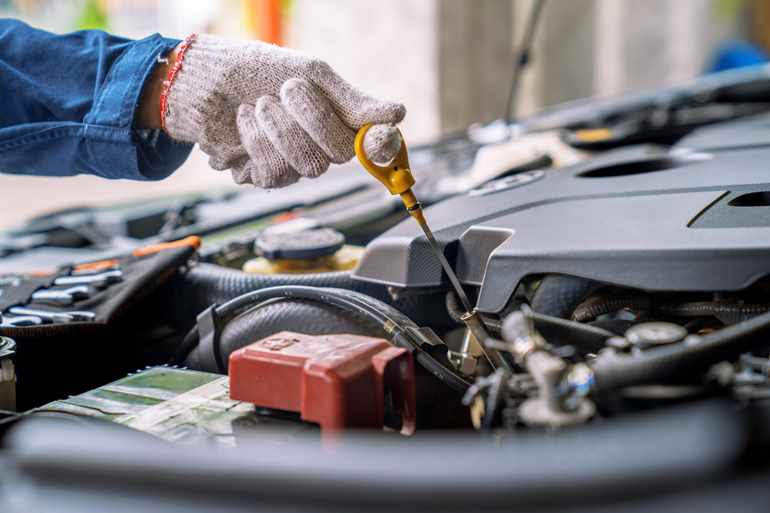
Engine oil is the lifeblood of your vehicle. It lubricates moving parts, reduces friction, and helps keep the engine cool. Over time, oil breaks down and collects debris, losing its effectiveness. Regular oil changes, typically recommended every 5,000 to 7,500 miles, are crucial for engine health and longevity.
During a service appointment, a technician will also check other essential fluids, such as coolant, brake fluid, transmission fluid, and power steering fluid. Topping off or replacing these fluids as needed prevents overheating, ensures your brakes work correctly, and promotes smooth gear shifts.
Tire Inspection and Rotation
Your tires are your car’s only point of contact with the road, making their condition vital for safety. Regular inspections can identify signs of wear, improper inflation, or damage. A professional will check the tire pressure and tread depth to ensure optimal grip and handling.
Tire rotation is another important service that involves moving each tire to a different position on the vehicle. Because front and rear tires wear at different rates, rotating them every 5,000 to 8,000 miles promotes even wear, extending their lifespan and saving you money in the long run.
Brake System Maintenance
A responsive brake system is non-negotiable for safe driving. Professional brake inspections are essential to ensure every component, from the pads and rotors to the brake lines and fluid, is in good working order. A mechanic will check for wear on the brake pads and listen for any grinding or squealing sounds that indicate a problem.
If you notice any changes in your car’s braking performance, such as a spongy pedal or longer stopping distances, it’s critical to have it inspected immediately. Proactive brake maintenance not only keeps you safe but also helps you avoid more expensive repairs, like replacing a damaged rotor.
Battery and Electrical System Checks
Your car’s battery powers everything from the ignition to the headlights and radio. A technician can test your battery’s charge and inspect its terminals for corrosion, which can interfere with the electrical connection. Most car batteries last between three to five years, and having it tested regularly can help you replace it before it fails unexpectedly.
A mechanic will also examine the broader electrical system, including the alternator and starter, to ensure they are functioning correctly and providing consistent power to your vehicle.
Servicing for Specialized Vehicles
Different types of vehicles have unique maintenance needs. For instance, if you drive an electric or hybrid car, it’s important to find a service center with technicians trained to handle their specific systems. Finding a reliable provider for hybrid vehicle service in South Salt Lake ensures that experts who understand the intricacies of both electric motors and gasoline engines are caring for your car. These specialists have the right tools and knowledge to service high-voltage batteries and regenerative braking systems safely.
Your Partner in Automotive Health
Taking a proactive approach to car maintenance is one of the smartest decisions you can make as a vehicle owner. By entrusting your car to professional technicians for regular service, you ensure it remains safe, reliable, and efficient for years to come. Don’t wait for a warning light to appear on your dashboard. Schedule a service appointment today to give your car the care it deserves and enjoy the peace of mind that comes with a well-maintained vehicle.