
The way people view breast beauty has changed a lot over the past century. What society considers the “perfect” breast shape or size has shifted with culture, fashion, media, and advances in medicine.
Over time, these changes show how beauty standards are never fixed-they evolve with the world around us. Read on.
1920s-1930s: The Flapper Era
In the early 1900s, flatter chests were in style. The “flapper” culture of the 1920s favored a boyish, slim figure. Bras were designed to minimize the bust, creating a straight, flat look.
This style fits the era’s focus on freedom and independence for women. At this time, the ideal breast was small and subtle, with no emphasis on curves.
1940s-1950s: The Hourglass Icon
After World War II, the focus shifted to fuller, rounder breasts. The hourglass figure became the beauty standard, made famous by stars like Marilyn Monroe.
Larger breasts symbolized femininity, sensuality, and even fertility. Bras were padded and structured to lift and shape the bust, creating a curvy silhouette that became the ideal of the time.
1960s-1970s: Natural and Free
The 1960s and 1970s brought a new approach to beauty. Feminist movements and counterculture trends promoted natural looks and individuality. Smaller, natural breasts became popular again.
Women often avoided heavy padding or structured bras, and the focus shifted to comfort and freedom. Icons like Twiggy showed that beauty did not have to follow strict curves or rules.
1980s-1990s: The Rise of Cosmetic Surgery
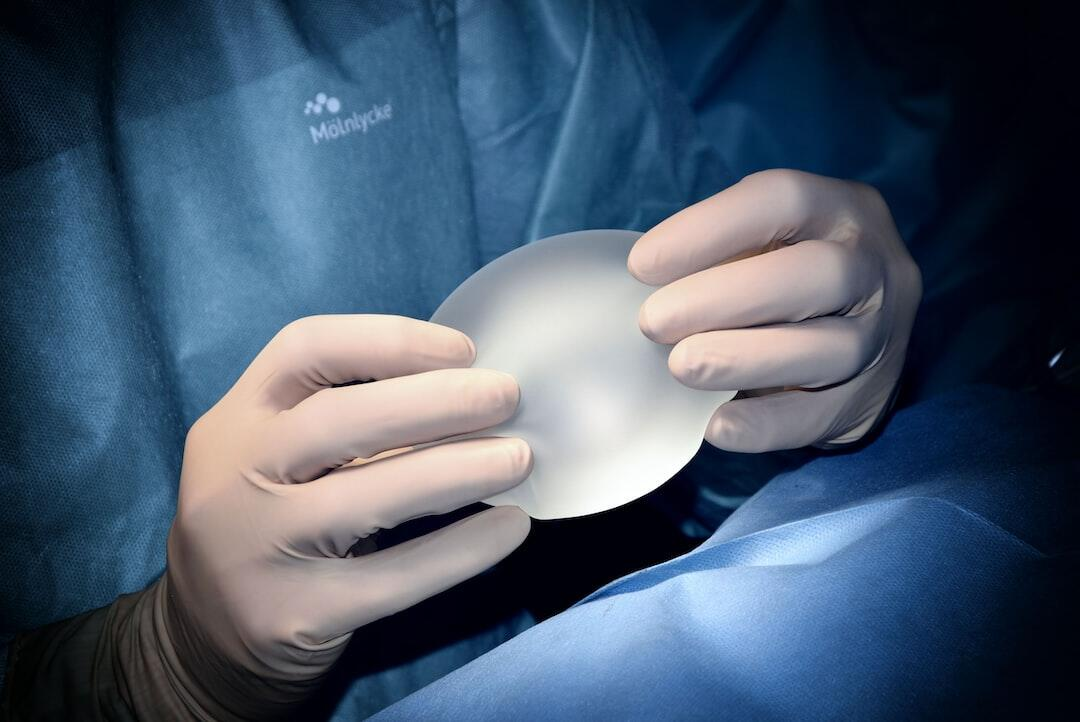
During the 1980s, breast augmentation became more common. Silicone implants allowed women to make their breasts fuller, rounder, and more symmetrical.
Media stars like Cindy Crawford and Pamela Anderson shaped the idea of an ideal bust. This era connected breast beauty to glamour, celebrity, and media influence, making cosmetic surgery a widely accepted option.
Media and Cultural Influence
Beyond surgery, television, movies, and fashion magazines heavily influenced breast trends. Celebrities and models often set standards that the public aspired to.
Advertising and pop culture created a global awareness of breast aesthetics, linking them to desirability and confidence. This period reinforced the idea that the “perfect” breast could be achieved through a mix of style, fashion, and modern beauty practices.
2000s-Today: Personalization and Diversity
In recent years, breast trends have become more personal. There is no single “perfect” shape or size. Social media celebrates different body types, encouraging women to embrace their individuality.
Modern breast surgery offers many options, allowing women to customize size, shape, and projection. At the same time, the focus on natural-looking results and body positivity encourages people to choose what feels right for them, rather than following rigid standards. Visit one of the top surgeons to learn more, such as breast augmentation with a lift.
Discover Your Unique Journey
The changes in breast aesthetics show how beauty trends evolve with culture, technology, and society. From the flat-chested flappers of the 1920s to the personalized trends of today, what is considered beautiful has shifted many times.
Today, the emphasis is on diversity and self-expression. People are encouraged to define beauty on their own terms, rather than following fleeting societal ideals.
If you want to read more articles, visit our blog.