
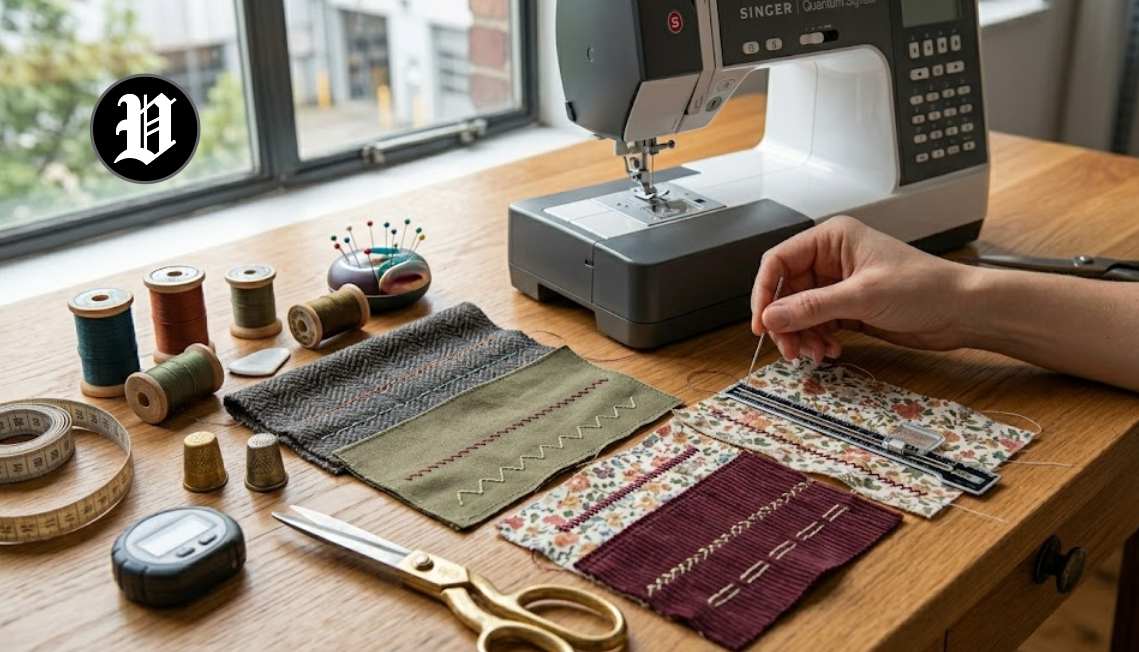
Start with a compelling introduction to explain what Nahttypen are and their importance in sewing. Mention how different types of stitches (hand and machine) are used in various types of sewing projects. This sets the stage for a detailed discussion on each type of stitch.
Example:
- Nahttypen (stitch types) form the backbone of any sewing project, whether you are mending an old garment, creating custom clothing, or embarking on intricate embroidery work. Understanding the different stitches and their uses ensures a professional finish and lasting durability for your creations.
Section 1: Hand Sewing Stitches
- Introduction to hand sewing stitches.
- Common Stitches:
- Running Stitch: Basic but versatile, ideal for seams and hems.
- Backstitch: Strong and durable, perfect for high-stress areas.
- Slip Stitch/Blind Hem: Nearly invisible, great for hems on delicate fabrics.
- Decorative Stitches: Whip stitch, herringbone stitch, and their decorative uses.
- Tips for hand stitching success, like choosing thread color and fabric compatibility.
Section 2: Machine Sewing Stitches
- Introduction to machine stitches and their efficiency in large projects.
- Common Machine Stitches:
- Straight Stitch: The most common and reliable for seams.
- Zigzag Stitch: Ideal for fabric edges and stretch fabrics.
- Decorative Stitches: Various machine stitches that can enhance the look of projects.
- Understanding Machine Settings: Discuss how to set up the sewing machine for different stitches.
- Pros and Cons of using machine stitches over hand stitching.
Section 3: Decorative Stitches
- Introduction to decorative stitches and their artistic value in sewing.
- Popular Decorative Stitches:
- Scallops: Perfect for edging and creating a delicate look.
- Embroidery Stitches: French knots, satin stitch, and other embellishments.
- Machine Embroidery: How machine stitches can replicate intricate designs.
- Combining Stitches: Discuss how to mix functional and decorative stitches for a personalized project.
Section 4: Choosing the Right Stitch for Your Project
- Factors to consider: Fabric type, project purpose, and the final look.
- Practical tips for choosing stitches for different materials, such as lightweight fabrics vs. heavy-duty materials.
- Examples of appropriate stitch choices: What’s best for denim, silk, or upholstery fabric?
Section 5: Tips for Successful Stitching
- Preparation: Why it’s important to prepare fabric and tools properly.
- Techniques for mastering even tension, perfecting seams, and avoiding mistakes.
- Testing stitches on scrap fabric before starting a project.
Conclusion
Sum up the importance of selecting the correct stitch for every project, emphasizing how it impacts both the appearance and durability of the work. Reaffirm that understanding Nahttypen is key to becoming a proficient sewist.
For More Posts And Updates: Vintage Posts
